

Profound inside the shadows of the web lies a cryptic and frequently misunderstood domain known as the hidden web. This obscured part of the web, reachable solely through specific programs, serves as a center for countless activities that exist beyond the bounds of conventional society. Among its numerous notorious facets are shadow markets, platforms where users can acquire and trade a variety of goods and services, most of which are forbidden in nature. This expedition into the depths examines the complex dynamics of these markets, exploring their functioning, user incentives, and the consequences they hold for communities.
In this dim landscape, anonymity dominates overwhelmingly, attracting users seeking both privacy and the temptation of the forbidden. From unlawful drugs to counterfeit documents, dark web markets operate in a delicate balance between availability and need, constantly evading law enforcement's control. Yet, beyond the criminal elements, there lies an entire ecosystem where moral debates about confidentiality, control, and digital freedom come into play. As we investigate this mysterious world, we will discover the nuances of dark web markets and what in the wider framework of our ever more digital lives.
Comprehending the Dark Web
The darkweb is a part of the internet that is not indexed by traditional search engines and needs unique software to access, such as The Onion Router. This section of the internet is often linked to anonymity, where individuals can participate in a multitude of activities without disclosing their true identities. The darkweb is home to many markets, discussion boards, and communities that prosper on the idea of privacy, attracting individuals with diverse motives, from those looking to share information freely to those participating in illegal activities.
Within the dark web, markets operate similarly to conventional online stores but usually deal in illicit products and services, including drugs and weapons to stolen information. dark markets 2026 use cryptocurrencies for transactions to maintain anonymity for both shoppers and vendors. While some dark web activities may entail innocent exchanges of data, the significant likelihood for illegal activities has drawn significant attention from law enforcement agencies around the globe, leading to many crackdowns on notable markets.
Despite its image, the dark web also serves as a haven for marginalized groups and advocates living under authoritarian regimes. For these people, the capability to communicate and disseminate data securely is essential. The complexity of the darkweb reflects a twofold nature, where it holds both valuable resources and potential dangers. Grasping this obscure corner of the web is key to grasping the broader implications of digital privacy, security, and the ongoing struggles against online crime.
Investigating The Darknet Markets
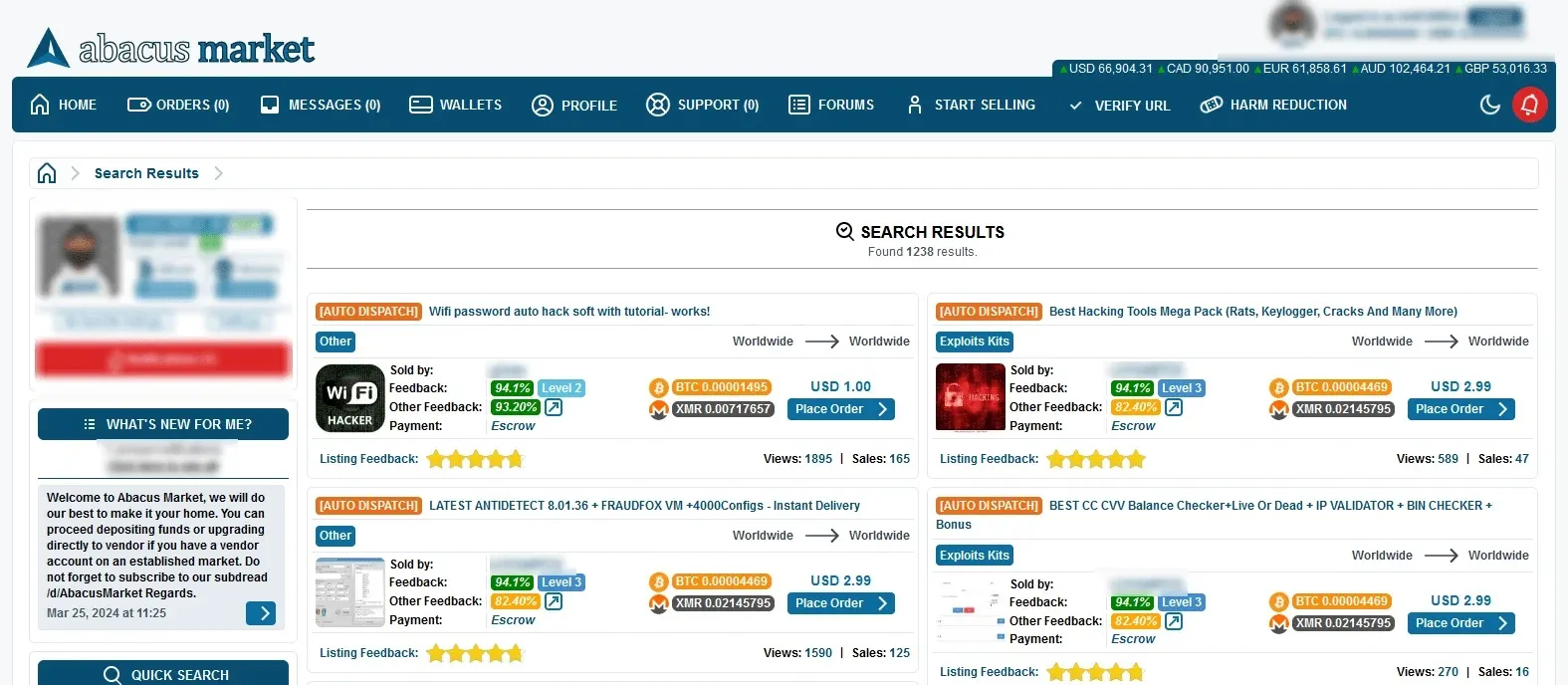
The Darknet marketplaces operate as non-centralized venues where participants can buy and trade a variety of products and commodities, often removed from the control of law enforcement. These marketplaces are usually visited through specific software, which provides anonymity and protection mechanisms to both consumers and vendors. The attraction of these platforms stems from the wide assortment of items available, spanning from digital products to illegal products that may not be readily obtainable in traditional marketplaces.
Navigating darkweb markets involves using digital currency for exchanges, which adds a degree of anonymity compared to traditional banking methods. Users often employ services like virtual private networks and codified interactions to further safeguard their anonymity. Each platform has its own collection of rules and rating systems that control transactions, creating an environment where faith is essential. User feedback and scores play significant roles in building reputation among buyers and sellers.
Despite the potential benefits and freedoms offered by darkweb markets, they also come with considerable dangers. Police proactively inspect these platforms, and users can unknowingly reveal themselves to schemes or malicious software. Furthermore, the purchase of prohibited goods can result in severe penalties. As such, those who dare into the domain of the darknet must move thoughtfully, balancing the dangers against the assumed advantages of concealment and entry to distinct goods.
Threats and Consequences
Engaging with dark web markets comes with significant dangers that go beyond mere legal consequences. Users may find themselves exposed to frauds and deception, as many sellers function without identity and can quickly disappear after taking payment. The lack of regulation means there is minimal recourse for buyers who fall victim from fraud, leading to financial losses that are often unrecoverable. This climate fosters a culture of distrust, where users must constantly verify the legitimacy of sellers and products.
In furthermore to financial risks, using darkweb markets poses serious legal repercussions. Law enforcement agencies watch these platforms, and individuals detected purchasing illegal goods can face severe fines, including monetary penalties and imprisonment. Even visiting these sites may trigger concerns, potentially resulting in surveillance or legal inquiries. Users often fail to recognize the scrutiny that such activities draw, not realizing how quickly they can be traced.
The psychological consequences of navigating darkweb markets cannot be ignored. The exposure to troubling content and illicit activities can result in feelings of anxiety and paranoia. Users may grapple with the moral implications of their transactions, wrestling with the understanding that their actions could add to criminal enterprises. This mental stress, combined with the persistent fear of legal repercussions, creates a tense environment for those who opt to venture into the dark side.